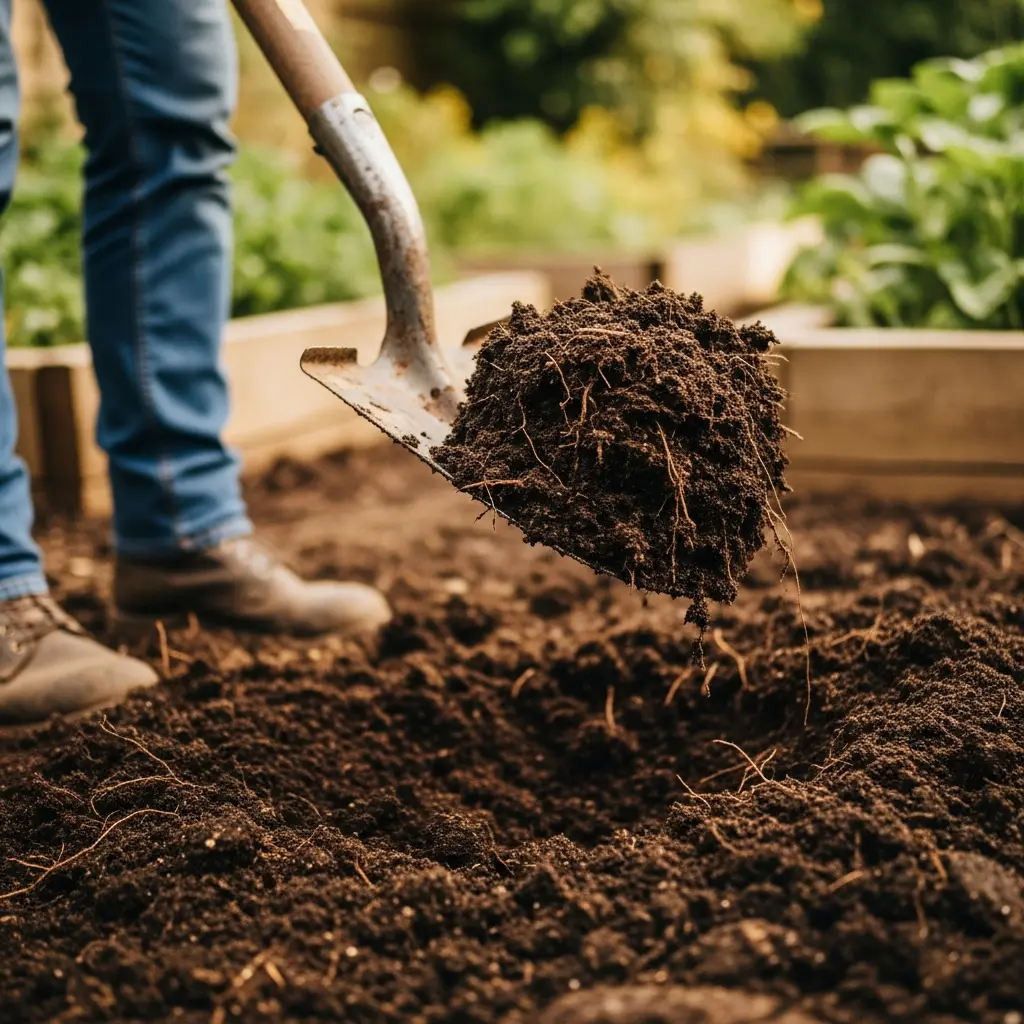

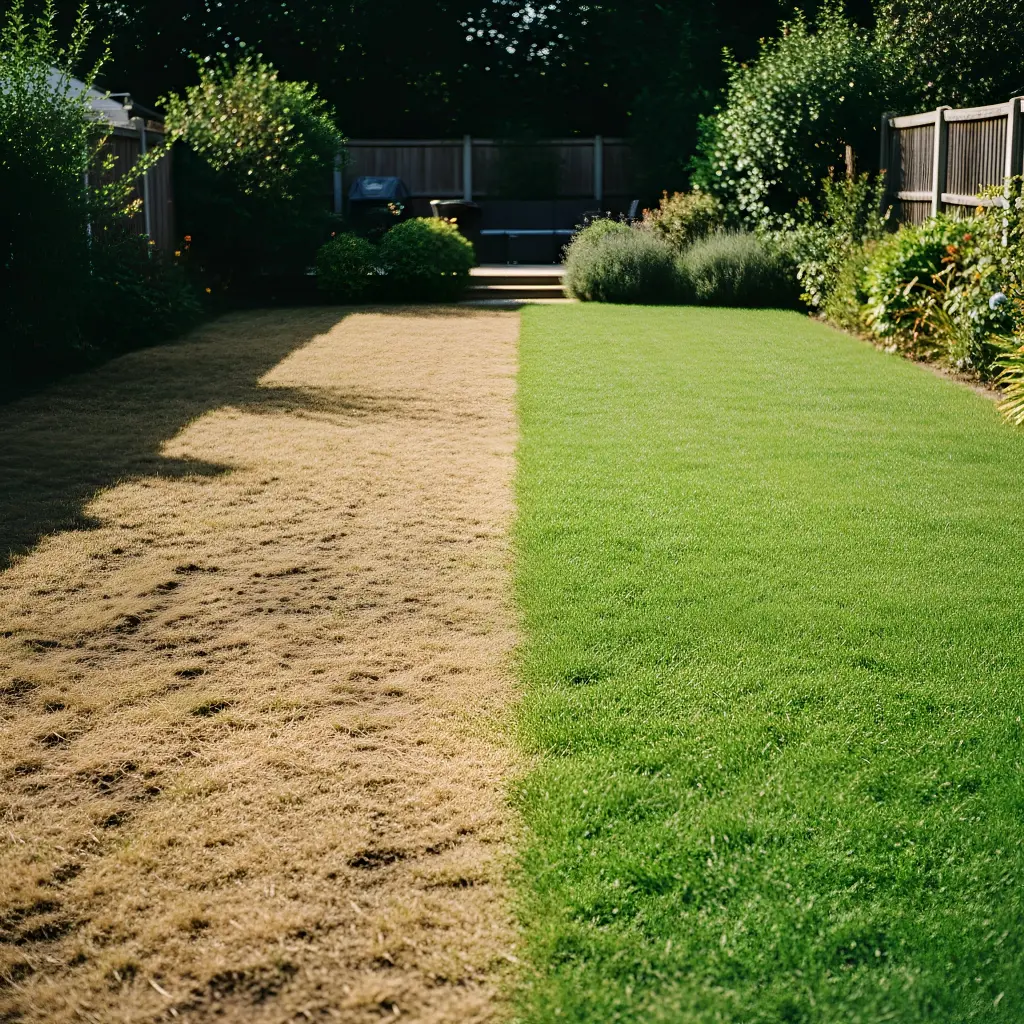
As winter settles in across the UK, many gardeners assume their garden soil can be left alone until spring. In reality, winter soil care is one of the most valuable investments you can make in long-term soil health, fertility and structure. Cold weather, heavy rain, frost and strong winds all affect garden soil, soil nutrients, and the delicate soil life of microbes, worms and other living things.
With the right approach – and the right materials from Valley Contractors – you can protect your garden beds, prevent soil erosion, and give your plants the best possible start when spring arrives.
Why Winter Soil Matters
Although your plants slow down, your soil never truly sleeps. Even in early winter, microbes continue breaking down organic matter, frost shifts the soil surface, and rain moves nutrients around your beds. Good winter care supports:
- Strong soil structure and healthy air flow
- Improved drainage and moisture balance
- Reduced erosion and fewer winter weeds
- Nutrient retention for the next growing season
- Better conditions for roots and other plants
A well-prepared soil environment means healthier plants, stronger crops and a more productive garden in the new season.
1. Add Organic Matter Before Winter Sets In
Adding organic matter in autumn is the perfect time to prepare your garden soil for winter. During the winter months, microorganisms slowly break it down – even when it’s cold – leaving you with enhanced structure and nutrient-rich beds by spring.
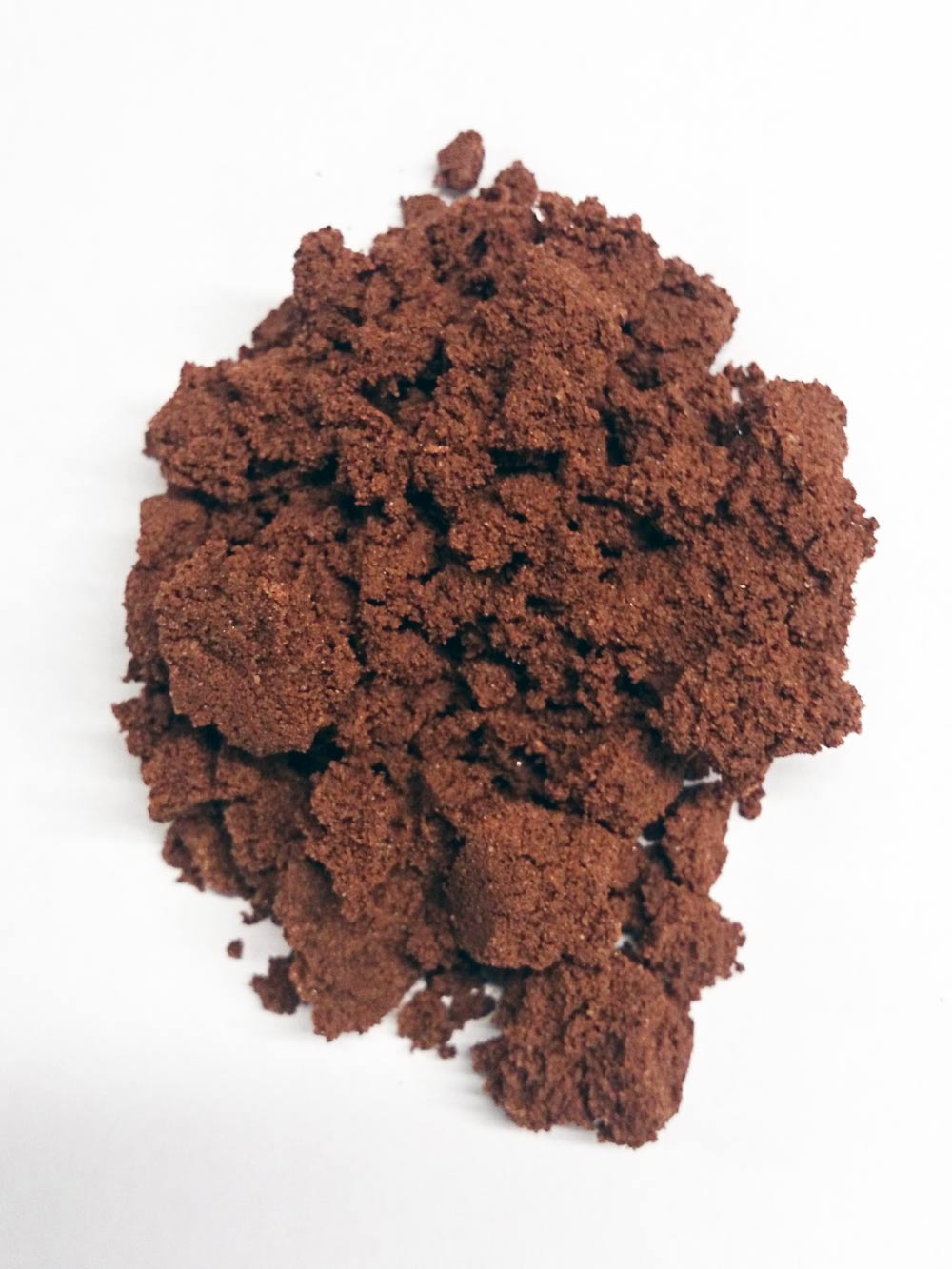
Great Valley Contractors products for this include:
This rich compost and aged manure helps improve soil structure, enhances the ground, and creates a base that’s completely broken down and ready for crops in spring.
If you maintain a compost heap, now is also the time to add dead plants, woody stems, grass clippings, and peat free material to create a steady supply of decomposing matter. A balanced heap also helps suppress weeds when applied as mulch.
2. Mulch to Protect Soil from Frost and Heavy Rain
Applying a generous layer of mulch is one of the best ways to keep your soil covered through winter. A protective layer shields the soil surface from frost, reduces nutrient loss, and helps cover any exposed bare soil that would otherwise erode in winter rain.
Valley Contractors mulching products include:
Mulch helps regulate temperature, protects root roots, and minimises nutrient leaching. Spread a layer around shrubs, perennials and vegetable gardens to keep them healthy during the winter months.
You can also mulch around vegetable beds, soft fruit areas and borders to protect vulnerable roots from frost.
3. Improve Drainage to Prevent Waterlogging
During the winter, constant winter rain can lead to compacted beds, standing water and damaged soil structure. Improving drainage now helps protect both soil and plants.
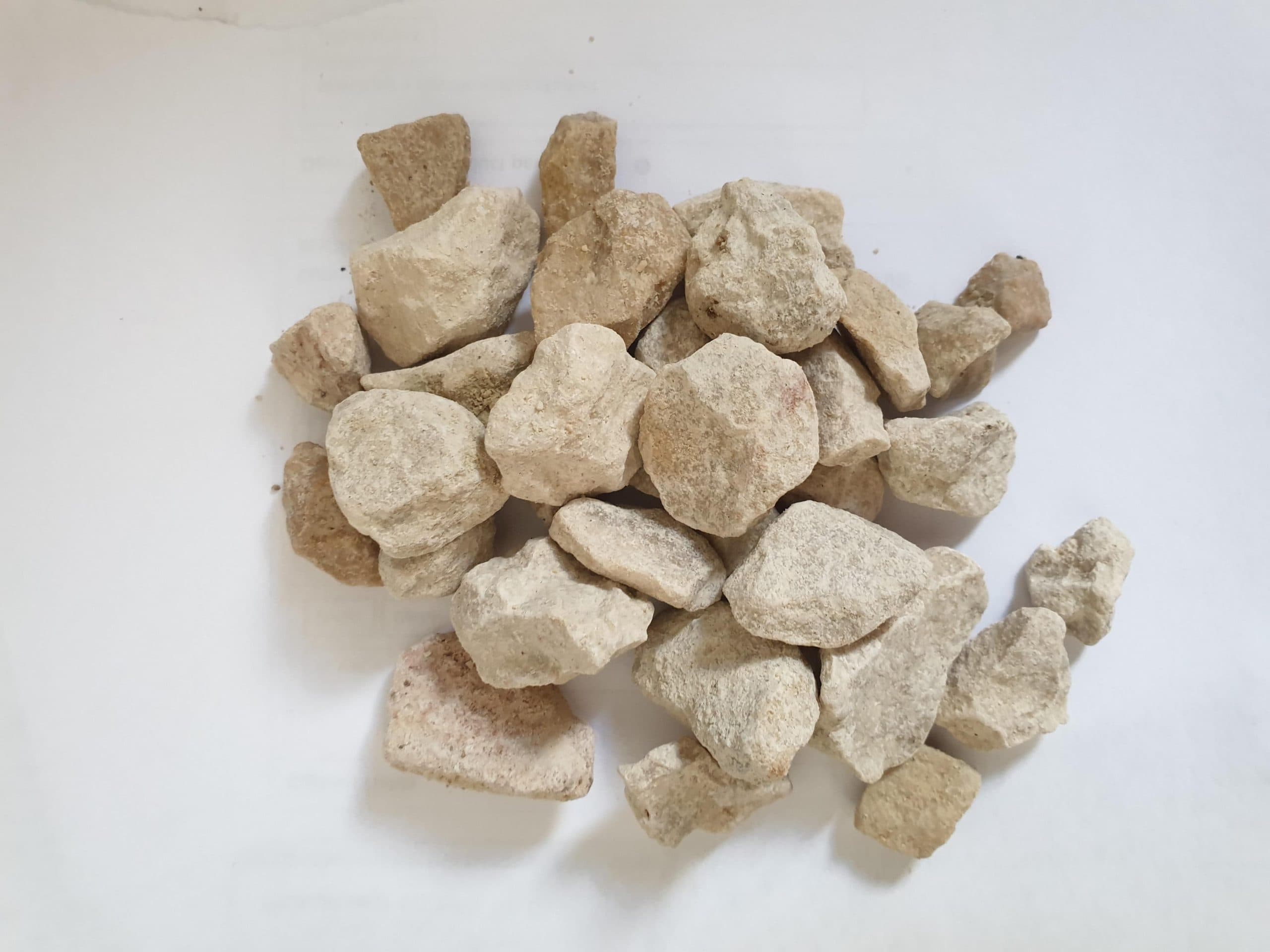
Valley Contractors drainage materials:
Good drainage helps protect roots, improves soil life, prevents waterlogging and reduces the likelihood of overwintering pests.
4. Repair and Rebuild Garden Beds
Winter is a brilliant time to refresh tired beds with new soil and correct imbalances. Adding fresh, fertile soil now means your garden is ready to bloom with strong, vigorous growth.
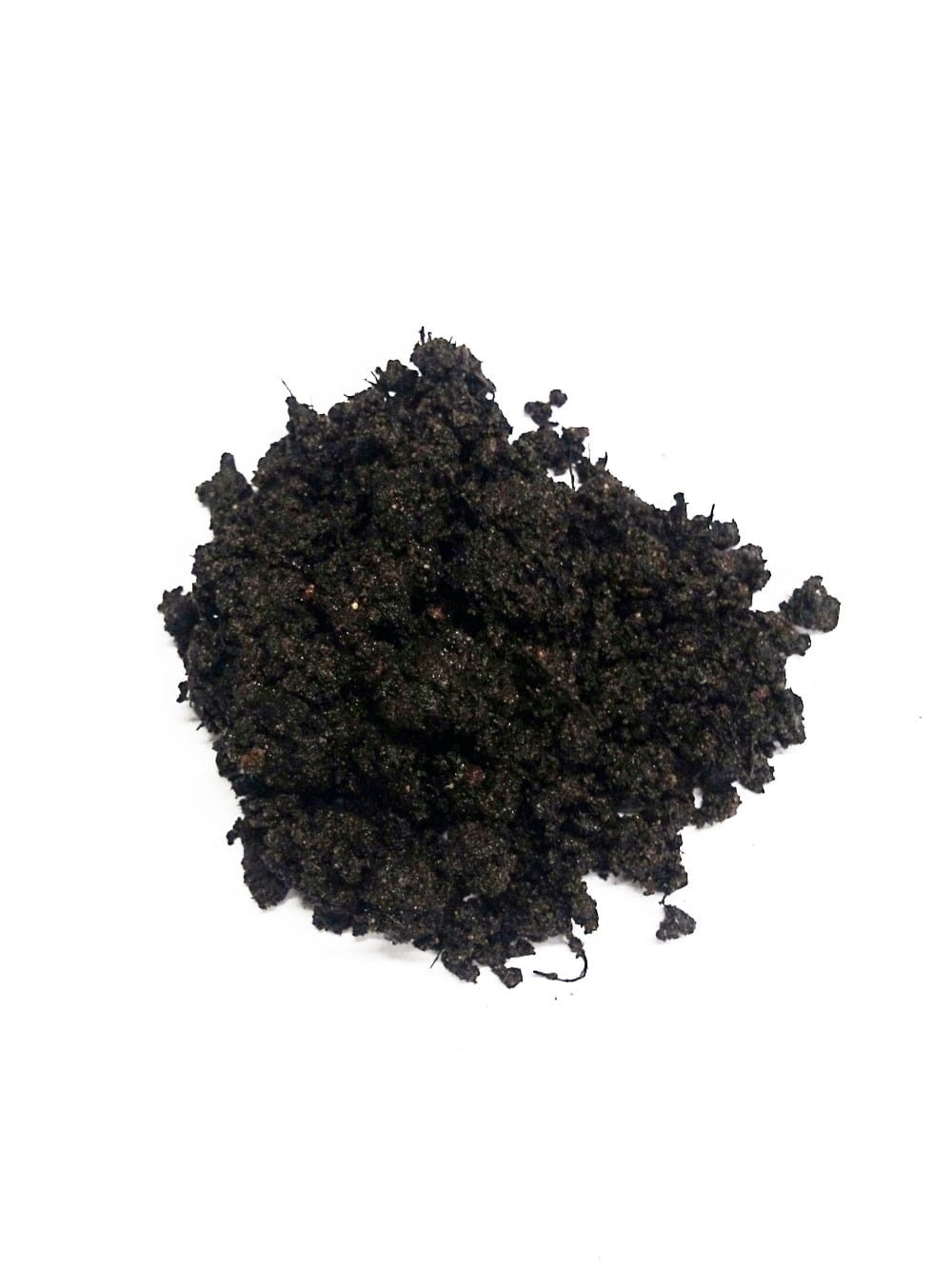
High-quality Valley Contractors soil blends:
Adding well rotted compost or rich compost into raised beds can transform soil structure, enhance moisture retention and feed your crops for the spring harvest.
A common question gardeners ask is:
“Can I put new soil on top of old soil?”
Yes – and winter is the ideal time. Adding fresh soil and organic matter over older layers gives microbes a couple of weeks or more to incorporate nutrients, rebalance texture, and benefit your entire bed.
5. Use Cover Crops and Green Manures
Planting green manures and cover crops during autumn is an excellent way to keep your soil covered, reduce weeds, protect against erosion, and build soil structure naturally.
Green manures:
- Prevent bare patches
- Improve fertility
- Reduce overwintering pests
- Boost soil nutrients
- Improve garden soil texture
They’re especially beneficial in vegetable gardens and vegetable beds, where they help regenerate the soil between crops and protect it from harsh winter weather.
6. Remove Weeds and Tidy Problem Areas
It’s a good idea to remove weeds before winter as many weeds continue growing even in cold weather. Clearing them out gives your plants and soil the best chance to rest, rebuild and prepare for spring bloom.
Removing weeds also reduces hiding spots for pests and improves airflow, encouraging the soil to breathe throughout the winter months.
Winter Soil: Final Thoughts
Preparing your garden for winter is one of the best things you can do to improve long-term fertility and soil health. Whether you’re enriching beds with compost, protecting the soil with mulch, enhancing drainage with aggregates, or building your compost heap, these steps ensure your soil is ready for vigorous spring growth.
At Valley Contractors, we supply Premium, eco-friendly soils, composts, bark, aggregates and manure blends — delivered UK-wide — to help you protect and nourish your garden all winter.