Brought to you by Valley Contractors – suppliers of premium turf, soil blends, composts and lawn care materials across the UK.
Summer is the best season to enjoy your garden, but summer is also the most difficult time of the year for your garden lawn. The sun of summer, the summer drought, the high temperatures, the foot traffic of children, family pets, pool toys, patio furniture etc., can have a negative effect on nearly every lawn in the UK.
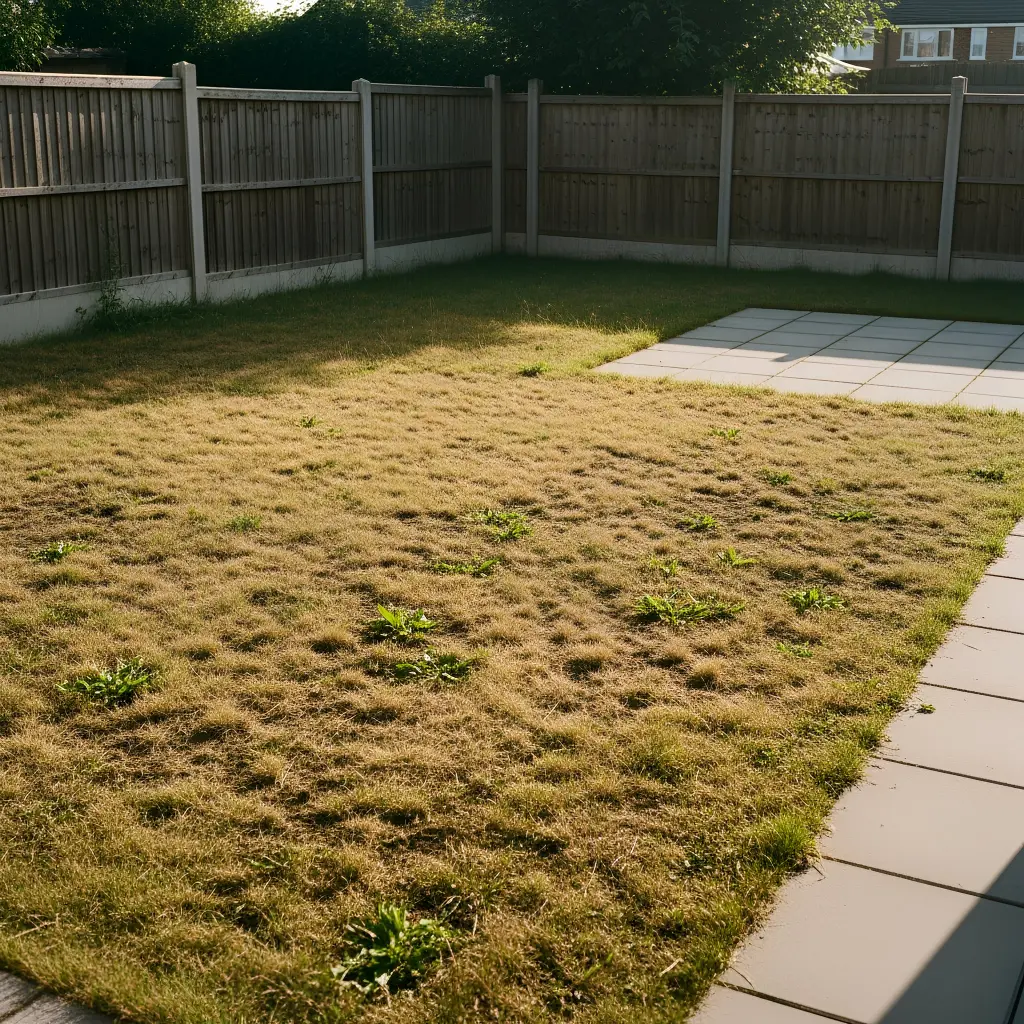
Severe heat and lawn droughts during the summer months can cause significant damage to lawns, resulting in brown patches of grass, large areas of brown grass, dry patches of grass and in some extreme cases, the lawn goes into dormancy and requires revival.
By the time Autumn arrives, many lawns damaged by the extreme heat of summer will look patchy, thin, uneven and exhausted. Thus, the optimal time to repair a summer-damaged lawn is late summer through early Autumn when the conditions for overseeding and promoting healthy root development and lawn recovery are ideal.
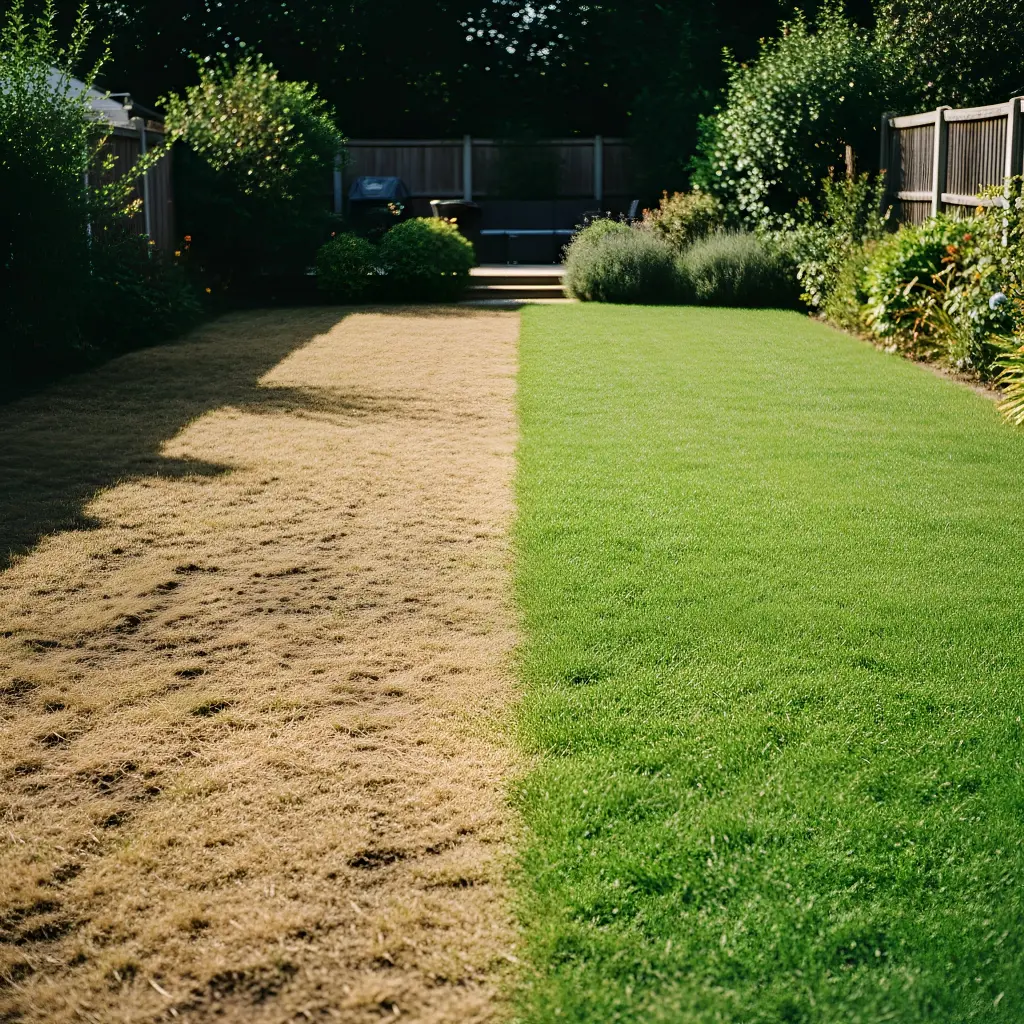
Good News: There is nothing better than rejuvenating tired grass in early Autumn, with the right techniques – and the right products – you can achieve a lush, green, healthy lawn – restoring your lawn to its original condition and having a successful, lush lawn with regular maintenance after repairing a lawn damaged by drought.
Below is your Step-By-Step Guide to Repairing Your Lawn After Summer.
1. Assess the Damage
Before doing anything, walk the whole lawn and identify:
- Bald or heavily worn bare patches
- Dead lawn, dead patches or a dormant lawn
- Compacted soil or poor drainage
- Yellowing or weak grass
- Uneven levels
- Weeds, larger weeds and moss
- Evidence of dead material, dead thatch, or debris
- Signs of heat stress, dry ground or dry weather impacts
A dormant lawn will still have roots and can develop deep roots again with proper care, while completely dead patches will be brown and brittle and need reseeding.
Identifying how well your existing lawn is doing will help you select the most suitable soil combinations; composts and other lawn care supplies available through Valley Contractors. This is also the perfect time to get rid of weeds and anything else that may be impeding new growth.
2. Remove Debris & Scarify
Clear away fallen leaves, dead grass, moss, debris, and dead material.
Then lightly scarify using a rake or scarifier. This helps:
- Remove thatch and dead thatch
- Open up the soil
- Improve airflow and drainage
- Allow for proper establishment of new grass seed and new seeds
- Reduce weeds and ensure an even spread of coverage
- Loosen the soil, as this can be beneficial if the lawn experienced heat damage.
Scarifying also helps loosen the soil, which is essential when the lawn has suffered heat stress.
Also, note, if during the process of raking/scaring you find some areas are either too thin, dusty, or do not contain enough organic matter, then plan on topping up with the appropriate mix in step 4.
3. Aerate the Lawn
Soil is frequently compacted after a long, hot, dry summer. This compaction will reduce the amount of water that the lawn’s soil can hold, prevent oxygen (and therefore water) from being absorbed by the root zone of the grass, and create poor drainage.
Options for Aerating Your Lawn:
- You can improve soil drainage by spiking your lawn with a garden fork or
- If the area is extremely compacted, you may want to rent a hollow-tine aerator.
As long as your lawn’s roots get more oxygen, water and nutrient access, then their ability to absorb will increase and this will allow your lawn to grow its root system longer and stronger. When you aerate your lawn, you will find it much easier to sow seeds in that area where you were trying to repair damage from traffic, etc., and will also help promote growth in other damaged areas of your lawn.
For high-traffic or damaged areas, improving soil structure with Organic Compost or Organic Worm Compost Fertiliser from Valley Contractors can significantly improve lawn recover results.
4. Improve the Soil (Vital Step)
Repairing a lawn begins with creating an improved environment for the plants. Improving water retention, organic matter content, and overall water holding capacity of the soil will aid in repairing a lawn after heat and drought stress.
Best soil products for lawn repair:
✔ Lawn Lay Mix Topsoil (20mm)
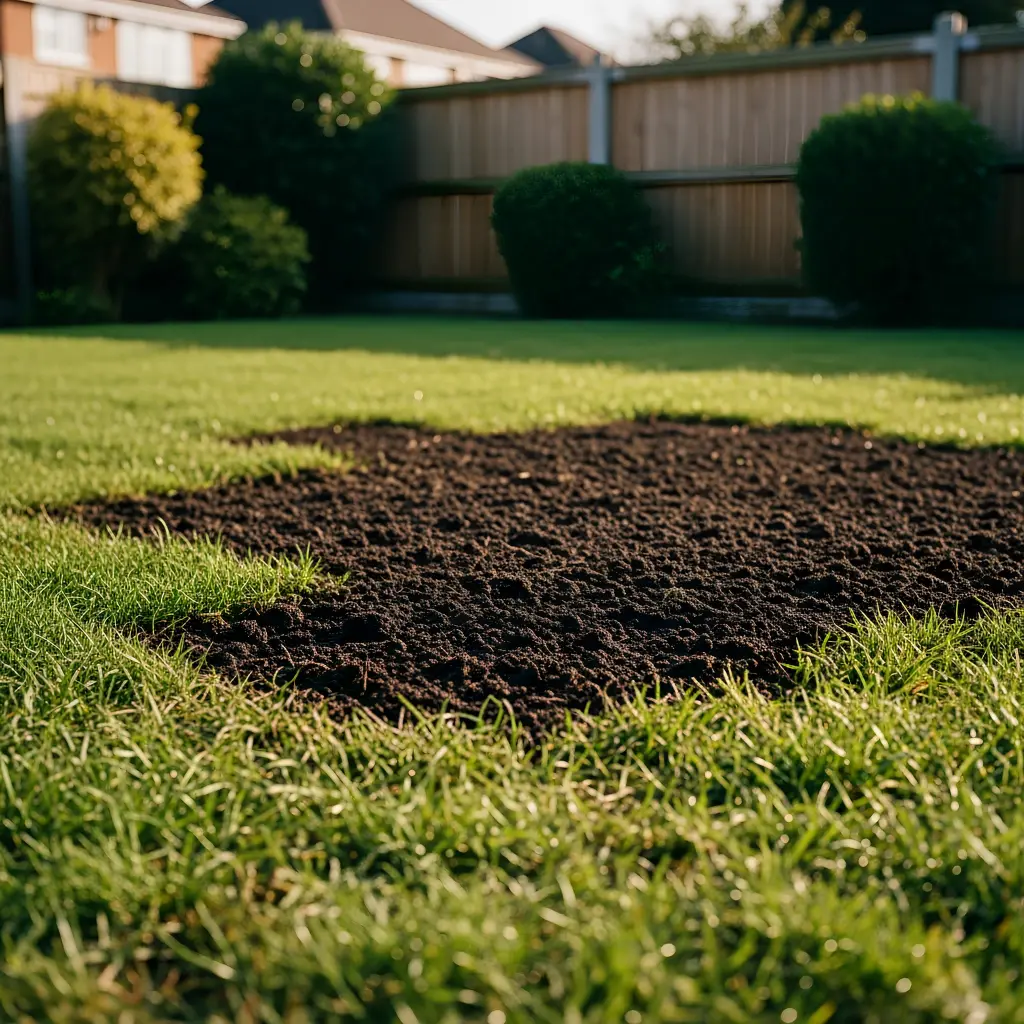
Perfect for levelling dips, filling bare patches, supporting a new lawn, and creating an ideal surface for overseeding. Also excellent as a top dressing after aeration or scarification.
✔ High Quality Planting Topsoil
Ideal where your lawn needs a nutrient lift or suffers from sandy soils. Helps maintain moisture and support drought tolerant grass varieties.
✔ Organic Compost
Blends easily into soil to improve structure, moisture retention, and overall fertility. Great for lawns affected by heat stress.
✔ Organic Worm Compost Fertiliser
Adds natural nutrients, boosts root growth, and strengthens weakened lawns.
Spread your chosen material across the lawn or specific problem areas to a depth of around 10–20mm and gently rake level to create a smooth surface.
5. Overseed for Dense, Even Growth
After a tough summer, grass often thins out. Overseeding fills gaps and improves lawn density.
- Choose a high-quality British seed mix suitable for your garden (shade, drought tolerant, high-traffic etc.).
- Apply grass seed evenly across the lawn, or focus on bare areas using a light sprinkling.
- Rake lightly so the seed makes soil contact.
For the best results, apply a thin layer of Horticultural Topdressing Topsoil. This promotes germination, helps maintain moisture and creates even coverage.
Use a watering can for gentle watering to avoid displacing seed.
6. Water Correctly
More rainfall is typically experienced in autumn and supports germination through maintaining adequate moisture levels.
Newly seeded areas however require consistent watering:
- Light watering every day to every other day for the first 7 – 14 days,
- Do not overwater as this can wash the seed away from the site of germination;
- Reduce watering as the new grass seed develops;
If the soil has become hydrophobic (water repellent) at some point during dry weather or a dry spell, consider applying a wetting agent. Wetting agents reduce the surface tension of water so that it will penetrate uniformly into the soil layer and help maintain moisture levels in heat stressed soils.
Apply a wetting agent prior to an anticipated rain event or irrigations for the best results.
7. Repair or Replace Severely Damaged Sections
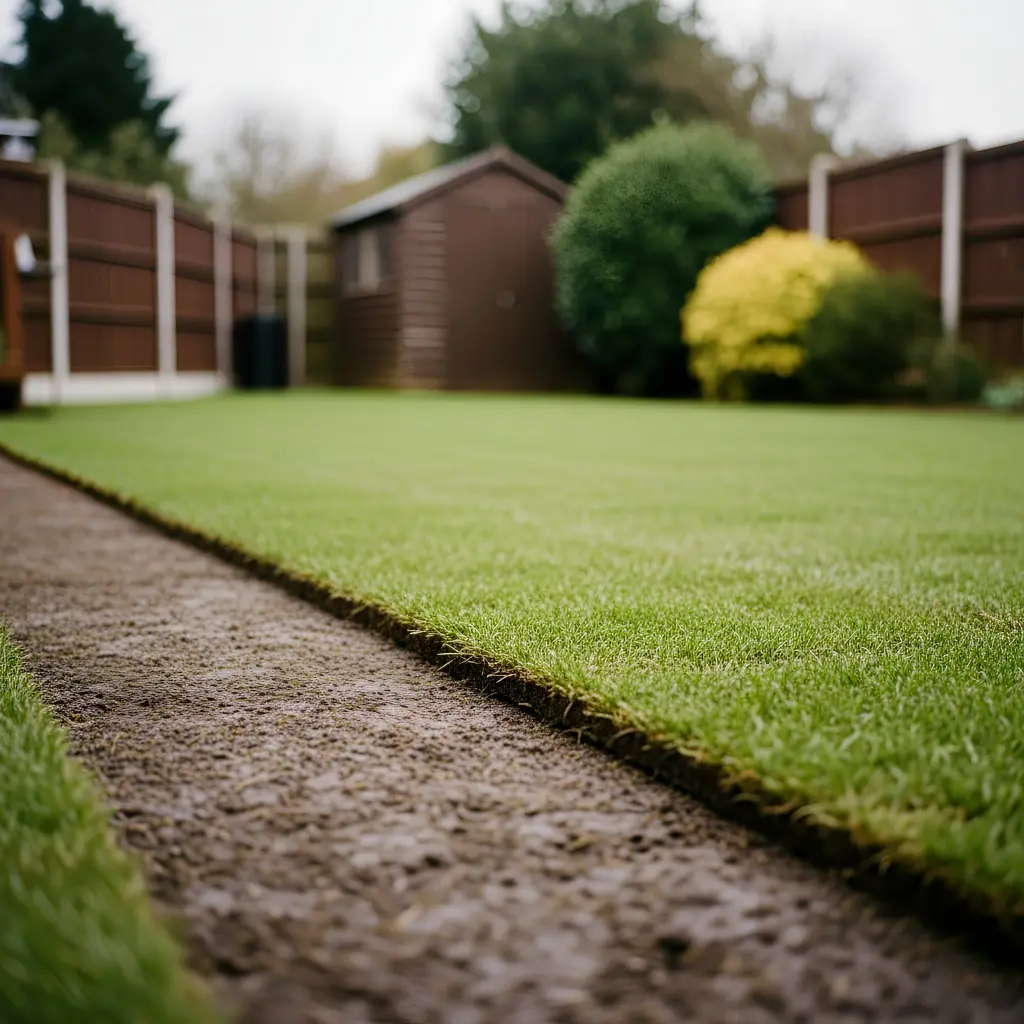
There may be some areas that are lost forever (dead lawns, exposed bare ground, and long-term heat damage), replace those areas with our fresh garden Lawn turf.
✔ Fresh Garden Lawn Turf
This high-quality, UK-grown turf, is perfect as an instant repair solution, when damaged areas of your lawn will not recover. Our lawn rolls help to establish new lawns with the potential for strong, deep roots that can promote future drought tolerance.
Prepare the soil using our Lawn Lay Mix Topsoil, lay the turf, press down to remove air pockets, and water well. While new lawns benefit from these techniques, established lawns may require lighter intervention to support existing root systems.
8. Feed the Lawn for Long-Term Strength
After a draining summer, your lawn needs essential nutrients to support recovery while the grass is actively growing.
Use organic, soil-improving fertilisers such as:
- Organic Compost (worked into the surface)
- Organic Worm Compost Fertiliser (lightly raked in around weakened areas)
- Autumn fertilisers specifically formulated for post-summer recovery
These help enrich soil biology, strengthen roots, and improve resilience to future heat stress and drought.
9. Maintain Through Autumn and Winter
Once repairs are complete:
- Continue mowing lightly until growth slows
- Remove heavy leaf fall to prevent smothering
- Avoid heavy foot traffic on new grass
- Water deeply during extended dry spells
- Use winter sets, proper care techniques, and wetting agents to maintain moisture and support healthy root development
A well-maintained autumn repair prepares your lawn for a vibrant next spring.
Recommended Valley Contractors Products for Post-Summer Lawn Repair
|
Product |
Best Use |
|---|---|
|
Levelling, patch repairs, turf base, overseeding foundation |
|
|
Seed germination, fine top dressing, smoothing uneven lawns |
|
|
Moisture retention, enriching poor or sandy soil |
|
|
Improving soil structure and long-term fertility |
|
|
Natural nutrient enhancement and root stimulation |
|
|
Instant repair for badly damaged lawn or dead patches |
Final Thoughts
Taking the right action will have your lawn completely recover from an extremely difficult summer. By making the ground better, seeding correctly, adding the proper topsoil blend to the area and maintaining consistent moisture using a wetting agent if needed, you are giving your lawn a chance to grow back strong with deep roots and healthy growth.
Using the right blends of compost, soil, seed and turf from Valley Contractors will provide your lawn the base that it needs to create a thicker, greener, and healthier lawn ready for Spring.